Invite 4-H to Your School!

Hands-on, standards-aligned learning experiences at no cost to your school.

The University of Tennessee and TSU Cooperative Extension, through county 4-H agents, provides research-based educational experiences that help young people build confidence, leadership, and life skills through hands-on learning. By partnering with schools, volunteers, and community organizations, 4-H connects students with engaging opportunities in STEM, agriculture, natural resources, healthy living, civic engagement, and workforce readiness, empowering them to learn by doing and prepare for future success.

WHY PARTNER WITH 4-H?

We give teachers an easy way to bring students real-world, hands-on learning to reinforce their in-class learning.

ALIGNED
TO STATE STANDARDS

HANDS-ON
LEARNING

WORKFORCE
READINESS

NO COST
TO SCHOOLS

EXPERIENCED EDUCATORS

Plan a Discover Day for Your School!

Bring 4-H into your classroom for a one-time, hands-on learning experience led by a 4-H agent! Programs are delivered during class time and can be a single class or combined classes for your convenience. All materials used during the program are provided by the 4-H agent.

Discover Days are typically 45 – 60 minutes and can range in audience size from 15 – 125. All programs can be altered to fit your specific grade group or needs.

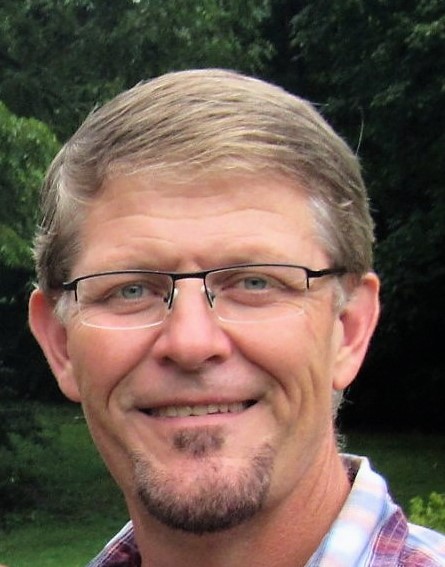
young man delivering a public speech

PUBLIC SPEAKING

Students learn how to brainstorm, organize their thoughts, and present their ideas to an audience in a public speech format.
4.W.TTP.1a Introduce a topic or text.

4.W.TTP.1b Develop an opinion with reasons that are supported by facts and details.

4.W.TTP.1d Provide a concluding statement or section related to the opinion presented.

4.SL.PKI.4 Report on a topic or text, tell a story, or recount an experience in an organized manner, using appropriate facts and relevant, descriptive details to support main ideas or themes; speak clearly at an understandable pace.

5.W.TTP.1a Introduce a topic or text. 

5.W.TTP.1b Develop an opinion through logically-ordered reasons that are supported by facts and details. 

5.W.TTP.1c Create an organizational structure in which ideas are logically grouped to support the writer’s purpose. 

5.W.TTP.1d Provide a concluding statement or section related to the opinion presented.

5.SL.PKI.4 Report on a topic or text, or present an opinion, sequencing ideas logically and using appropriate facts and relevant, descriptive details to support main ideas.

Any school or teacher that invites 4-H into their classroom to teach public speaking are provided the resources, ribbons, and scorecards to conduct their own classroom speech contest if they would like. The 4-H agents are also happy to return to the school to assist in the judging of speeches.

Each year on the first Saturday in January, Williamson County 4-H holds its County Public Speaking contest, where any student is invited to join us and compete for the chance to represent the county at the Area (multi-county) contest in February! Every teacher that invites us to their classroom will receive details regarding this contest as well.

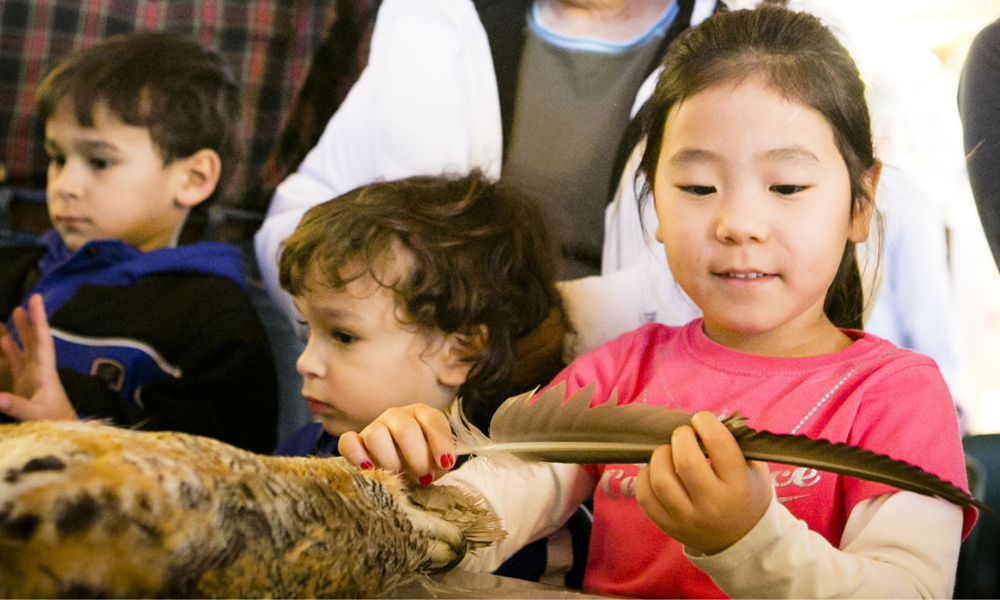
child learning about feathers and pelts

WILDLIFE

Students discover animal
adaptations and how they help them
survive within their ecological niche through the use of skulls and pelts.
3.LS4.1 Use evidence to explain the cause and effect relationship between a naturally changing habitat and how well an organism survives.

3.LS4.2 Use evidence to determine the changes between an environment’s biodiversity and human resources.

4.LS2.2 Using information about the roles of organisms (producers, consumers, decomposers) in an ecosystem, evaluate how those roles are interconnected in a food web, and communicate how the organisms are continuously able to meet their needs in a stable food web.

4.LS2.3 Develop and use models to determine the effects of introducing a species to, or removing a species from, an ecosystem and how either one can damage the balance of an ecosystem.

4.LS2.4 Analyze and interpret data about changes in the environment to explain how some organisms may survive and reproduce, some may not survive, others move to new locations, yet others move into the transformed environment.

5.LS4.1 Use evidence to construct an explanation for how variations in characteristics among individuals within the same species may provide advantages to these individuals in their survival and reproduction.

6.LS2.2 Construct an explanation that predicts patterns of competitive, symbiotic, and predatory interactions among organisms across ecosystems.

6.LS2.3 Use a model to construct an explanation about the transfer of energy through a food web and energy pyramid in an ecosystem.

7.LS1.4 Analyze data to determine the effect of genetic factors (e.g., specific breeds of organisms and their typical sizes) and environmental factors (e.g., food and space availability) that influence the growth of plants and animals.

8.LS4.3 Construct an explanation based on evidence that explains how genetic variations of traits in a population increase some individuals’ probability of surviving and reproducing.

8.LS4.4 Develop a scientific explanation of how natural selection plays a role in determining the survival and reproduction of a species in a changing environment.

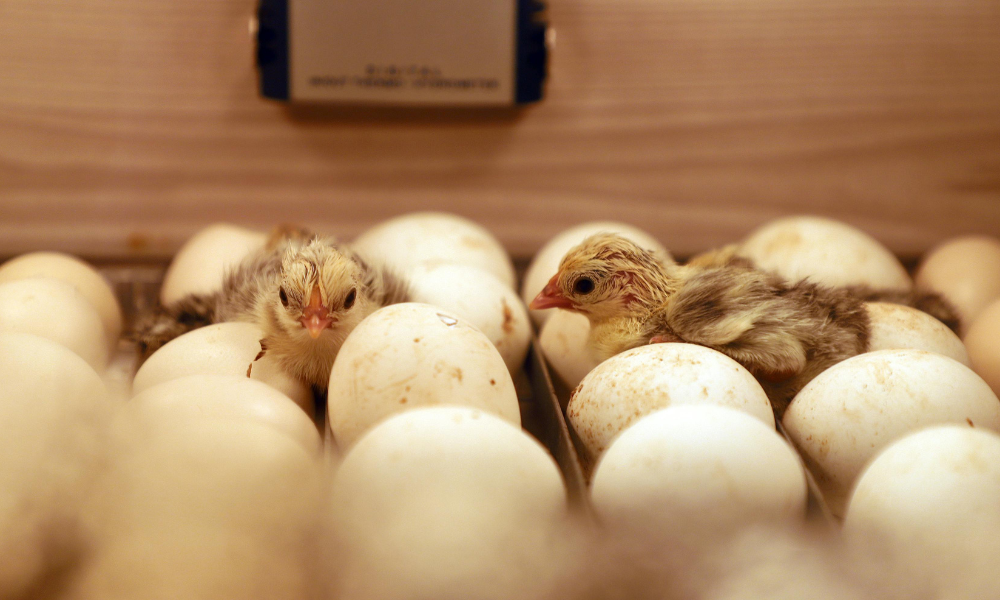
chicks and eggs in an incubator

EMBRYOLOGY

Students learn about the stages of
embryo development within an egg,
complete with eggs, live chickens,
and models of the embryo!
3.LS1.1 Use graphical representations to compare how species including humans and other organisms have unique and diverse life cycles.

3.LS1.2 Analyze the internal and external structures that aquatic and land organisms have to support survival, growth, behavior, and reproduction.

5.LS1.1 Compare and contrast animal responses that are instinctual versus those that are learned by gathering information through the senses, which is then processed in the brain and stored as memories to guide their actions.

5.LS3.1 Distinguish between inherited characteristics and those characteristics that result from a direct interaction with the environment. Apply this concept by giving examples of characteristics of living organisms that are influenced by both inheritance and the environment.

5.LS3.2 Provide evidence and analyze data that plants and animals have traits inherited from parents and that variations of these traits exist in a group of similar organisms.

7.LS1.1 Develop models that identify and explain the structure and function of major cell organelles and structures (i.e., vacuoles, chloroplasts, lysosomes, mitochondria, cell membrane, cell wall, nucleus, cytoplasm) as they contribute to the life activities within a system.

7.LS1.2 Obtain information about the cellular structures of unicellular and multicellular organisms across kingdoms and domains in order to compare how these structures support the functions (i.e., obtain food, water, waste disposal, and the environment in which they live) of the organism.

7.LS1.3 Develop and use a hierarchical model of a multicellular organism to explain that the body of humans and other animals is a system of multiple interacting subsystems specialized for 55 particular body functions [e.g., digestion, respiration, excretion, circulation, sensation (nervous and integumentary), locomotion (musculoskeletal), reproduction, and immunity].

7.LS1.4 Analyze data to determine the effect of genetic factors (e.g., specific breeds of organisms and their typical sizes) and environmental factors (e.g., food and space availability) that influence the growth of plants and animals.

7.LS3.1 Evaluate and communicate information that chromosomes contain many distinct genes which code for the production of proteins, impacting the traits of an individual.

7.LS3.2 Construct an explanation to describe how the impact of changes to genes (i.e., mutations) located on chromosomes may result in harmful, beneficial, or neutral effects to the structure and function of the organism.

7.LS3.3 Predict the probability of individual dominant and recessive alleles to be transmitted from each parent to offspring during sexual reproduction and represent the phenotypic and genotypic patterns using ratios.

8.LS4.5 Obtain, evaluate, and communicate information about the technologies that have changed the way humans use artificial selection to influence the inheritance of desired traits in other organisms.

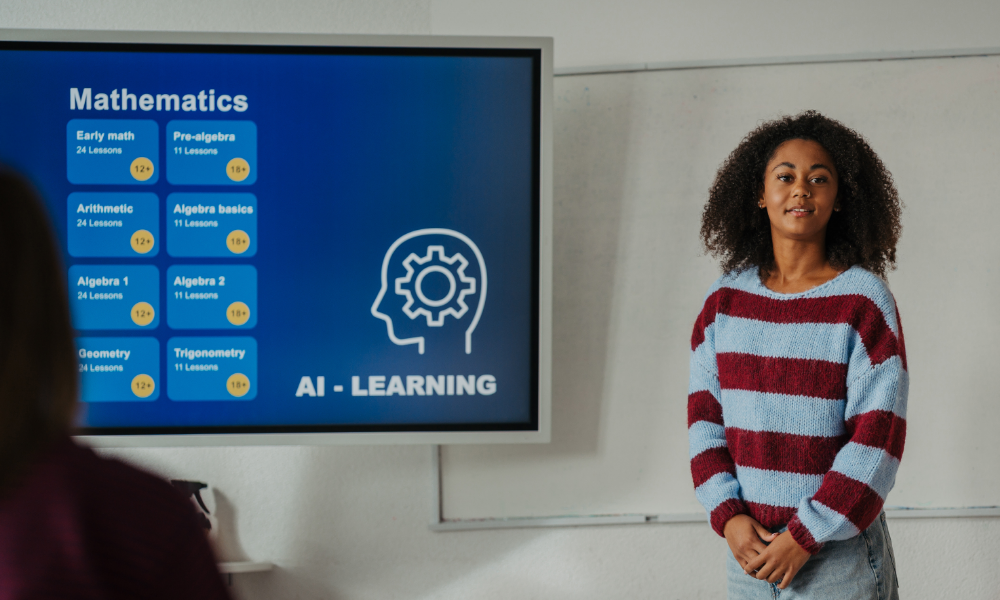
woman giving presentation on AI

DEMONSTRATIONS

Students learn how to brainstorm, organize their thoughts, and present their ideas to an audience in a multimedia presentation format.
4.W.TTP.1a Introduce a topic or text.

4.W.TTP.1b Develop an opinion with reasons that are supported by facts and details.

4.W.TTP.1d Provide a concluding statement or section related to the opinion presented.

4.SL.PKI.4 Report on a topic or text, tell a story, or recount an experience in an organized manner, using appropriate facts and relevant, descriptive details to support main ideas or themes; speak clearly at an understandable pace.

4.W.TTP.2c Include formatting, features, illustrations, and multimedia when needed to provide clarity to the reader.

5.W.TTP.1a Introduce a topic or text. 

5.W.TTP.1b Develop an opinion through logically-ordered reasons that are supported by facts and details. 

5.W.TTP.1c Create an organizational structure in which ideas are logically grouped to support the writer’s purpose. 

5.W.TTP.1d Provide a concluding statement or section related to the opinion presented.

5.SL.PKI.4 Report on a topic or text, or present an opinion, sequencing ideas logically and using appropriate facts and relevant, descriptive details to support main ideas.

5.SL.PKI.5 Include multimedia components and visual displays in presentations, when appropriate, to enhance the development of main ideas or themes.

Any school or teacher that invites 4-H into their classroom to teach demonstrations are provided the resources, ribbons, and scorecards to conduct their own classroom speech contest if they would like. The 4-H agents are also happy to return to the school to assist in the judging of demonstrations.

Each year in March, Williamson County 4-H holds its County Demonstrations contest, where any student is invited to join us and compete for the chance to represent the county at the Area (multi-county) contest in May! Every teacher that invites us to their classroom will receive details regarding this contest as well.

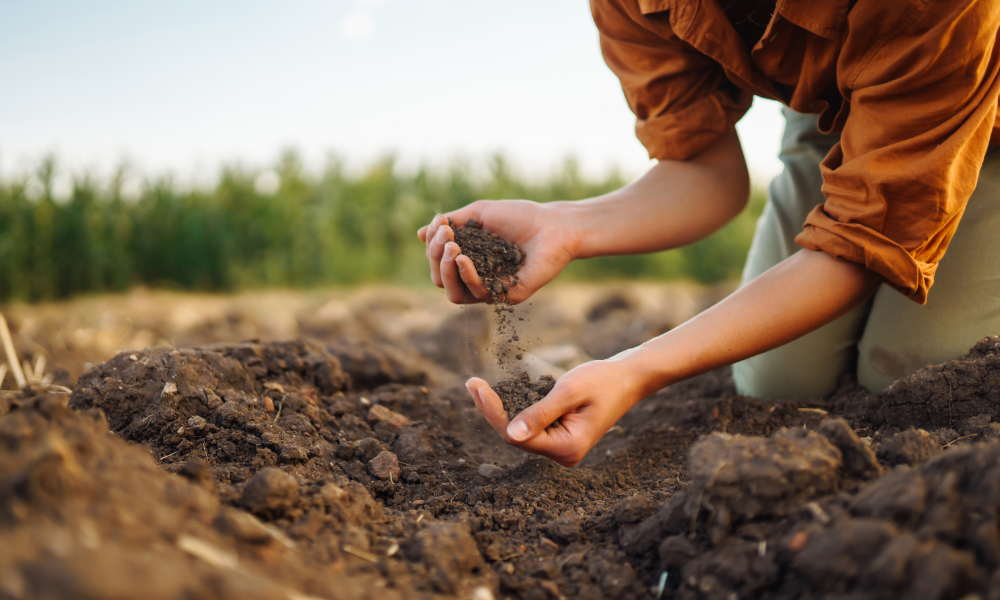
woman running dirt through her hands

SOIL SCIENCE

Students learn about soil types, health, and erosion, including how to mitigate erosion in ecologically important areas.
4.ESS2.1 Generate and support a claim with evidence that over long periods of time, erosion (i.e., weathering and transportation) and deposition have changed landscapes and created new landforms.

4.ESS2.1 Collect and analyze data from observations to provide evidence that rocks, soils, and sediments are broken into smaller pieces through mechanical weathering (e.g., frost wedging, abrasion, tree root wedging) and are transported by water, ice, wind, gravity, and vegetation.

4.ESS2.3 Provide examples to support the claim that organisms affect the physical characteristics of their regions (e.g., plants’ roots hold soil in place, beaver shelters alter the flow of water, paved surfaces affect runoff, leaves from trees can obstruct waterways).

6.LS2.4 Construct an explanation that uses abiotic (e.g., precipitation, temperature, soil) and biotic (e.g., biodiversity, number of organisms) patterns in earth’s terrestrial and aquatic ecosystems (e.g., tundra, taiga, deciduous forest, desert, grasslands, rainforest, marine, and freshwater) as measures of ecosystem health.

7.LS2.1 Develop a model to depict the cycling of matter, including carbon and oxygen, and the flow of energy among biotic and abiotic parts of an ecosystem.

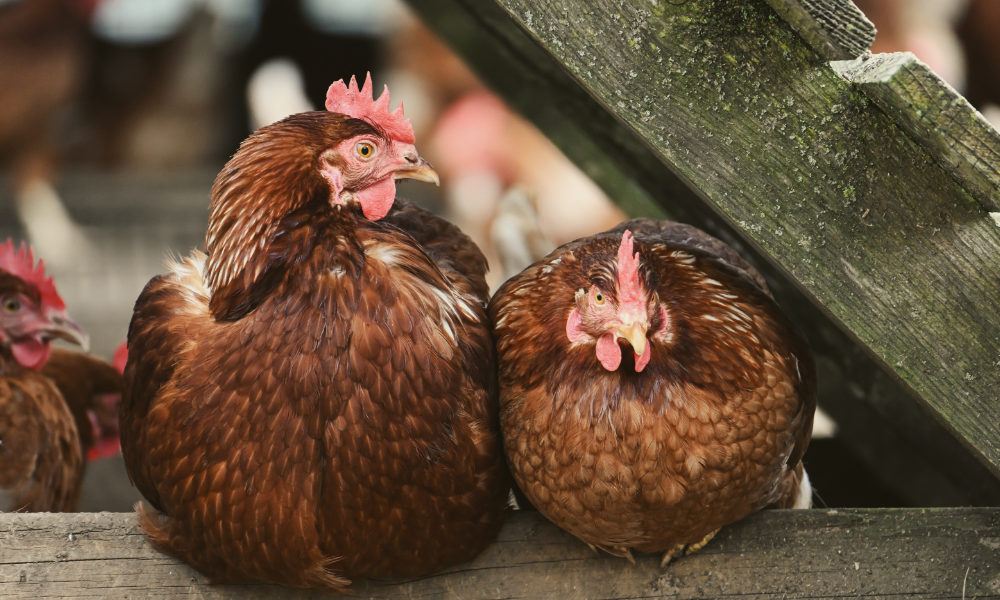
chickens sitting on a rail

ANIMAL SCIENCE

Students learn all there is to know about chickens, goats, sheep, or cattle – from anatomy and nutrition to industry, genetics, and disease management.

3.LS1.1 Use graphical representations to compare how species including humans and other organisms have unique and diverse life cycles.

5.LS1.1 Compare and contrast animal responses that are instinctual versus those that are learned by gathering information through the senses, which is then processed in the brain and stored as memories to guide their actions.

5.LS3.1 Distinguish between inherited characteristics and those characteristics that result from a direct interaction with the environment. Apply this concept by giving examples of characteristics of living organisms that are influenced by both inheritance and the environment.

5.LS3.2 Provide evidence and analyze data that plants and animals have traits inherited from parents and that variations of these traits exist in a group of similar organisms.

5.LS4.1 Use evidence to construct an explanation for how variations in characteristics among individuals within the same species may provide advantages to these individuals in their survival and reproduction.

7.LS1.1 Develop models that identify and explain the structure and function of major cell organelles and structures (i.e., vacuoles, chloroplasts, lysosomes, mitochondria, cell membrane, cell wall, nucleus, cytoplasm) as they contribute to the life activities within a system.

7.LS1.2 Obtain information about the cellular structures of unicellular and multicellular organisms across kingdoms and domains in order to compare how these structures support the functions (i.e., obtain food, water, waste disposal, and the environment in which they live) of the organism.

7.LS1.3 Develop and use a hierarchical model of a multicellular organism to explain that the body of humans and other animals is a system of multiple interacting subsystems specialized for 55 particular body functions [e.g., digestion, respiration, excretion, circulation, sensation (nervous and integumentary), locomotion (musculoskeletal), reproduction, and immunity].

7.LS1.4 Analyze data to determine the effect of genetic factors (e.g., specific breeds of organisms and their typical sizes) and environmental factors (e.g., food and space availability) that influence the growth of plants and animals.

7.LS1.5 Obtain and communicate information to provide evidence that illustrates the causal relationships between information received by sensory receptors and behavior, both immediate and over longer time scales.

7.LS3.1 Evaluate and communicate information that chromosomes contain many distinct genes which code for the production of proteins, impacting the traits of an individual.

7.LS3.2 Construct an explanation to describe how the impact of changes to genes (i.e., mutations) located on chromosomes may result in harmful, beneficial, or neutral effects to the structure and function of the organism.

7.LS3.3 Predict the probability of individual dominant and recessive alleles to be transmitted from each parent to offspring during sexual reproduction and represent the phenotypic and genotypic patterns using ratios.

8.LS4.5 Obtain, evaluate, and communicate information about the technologies that have changed the way humans use artificial selection to influence the inheritance of desired traits in other organisms.

PERSONAL FINANCE

Students take part in On My Own, an engaging financial simulation where they are assigned occupations, incomes, and family circumstances, and are asked to live a typical month of household expenses.

In this time of economic uncertainty, On My Own provides valuable information to youth in your community. The On My Own program gives students insight regarding their future financial health by teaching life lessons and healthy financial choices. The objective of the program is for students to realize the connection between personal lifestyle choices and financial well-being allowing them to put that knowledge into practice when they become financially responsible for their own lives.

The On My Own program has been carefully aligned with NEFE Standards for personal financial education, Jump$tart Coalition Standards and state academic standards to give you additional and creative ways to meet the requirements of your personal finance and FCS classes.

Don’t see what you’re looking for?

We have many opportunities to design programs that might fit your needs! We’re a resource for you – so reach out to Kaitlyn Boughton at kboughto@utk.edu to see what we can bring to YOUR students!

Frequently Asked Questions

Just click the button above or the link here: tiny.utk.edu/DiscoverDaysRequest to fill out our short program request form! We’ll reach out to confirm your request and you’ll be ready to go!

To request using our form, we ask for a couple week’s notice to ensure we can get a date on the calendar! If you’d like us to come sooner, feel free to reach out to Kaitlyn Boughton directly at kboughto@utk.edu!

None at all! Many of our programs utilize presentation slides, but if that is impossible for your team just let us know and we can find a way to make it work!

Absolutely! We have presented these programs to audiences as small as 15 and large as 125. We are experts in adapting content to the needs of the students – so no audience is too big, too small, too young or too old!

We have tons of programs available outside of the traditional school and 4-H partnership model. You can take a look at them here: https://williamson.tennessee.edu/program-directory/ Since many of these programs are taught by industry professionals who still work within their industry, these are generally not available during regular school hours.

Yes! All of our in-school programs are truly, 100%, completely free. We are a county resource for you – that means we bring all of our own materials for presentation and any competition materials and ask for nothing in return!

Any 3rd – 12th grade teacher is welcome to request a Discover Days program!

Yes, we do! If you are a member of one of these kinds of educational groups, please note that in our Discover Days request form. We are happy to make adjustments to topics covered if needed to fit within your needs.

Yes! We are happy to work with you to create a Discover Day for your students. While there are some subjects that we are unable to cover, we are happy to open the discussion for potential programming opportunities!

At this time, Williamson County 4-H does not offer traditional after-school community clubs. Instead, we focus on bringing high-quality, hands-on educational experiences directly into schools through Discover Days, while also offering workshops, camps, judging teams, special interest programs, and other county-wide opportunities for youth to explore their interests beyond the classroom in a single location rather than school-by-school. This approach allows us to serve more students across Williamson County while providing meaningful, research-based learning experiences.

If you’re looking for an ongoing opportunity for your students, we’d be happy to discuss other ways to partner with your school and connect interested youth with additional 4-H programs!

Have questions? Contact us!

Doug Berny

Doug Berny

Extension Agent II
4-H Youth Development
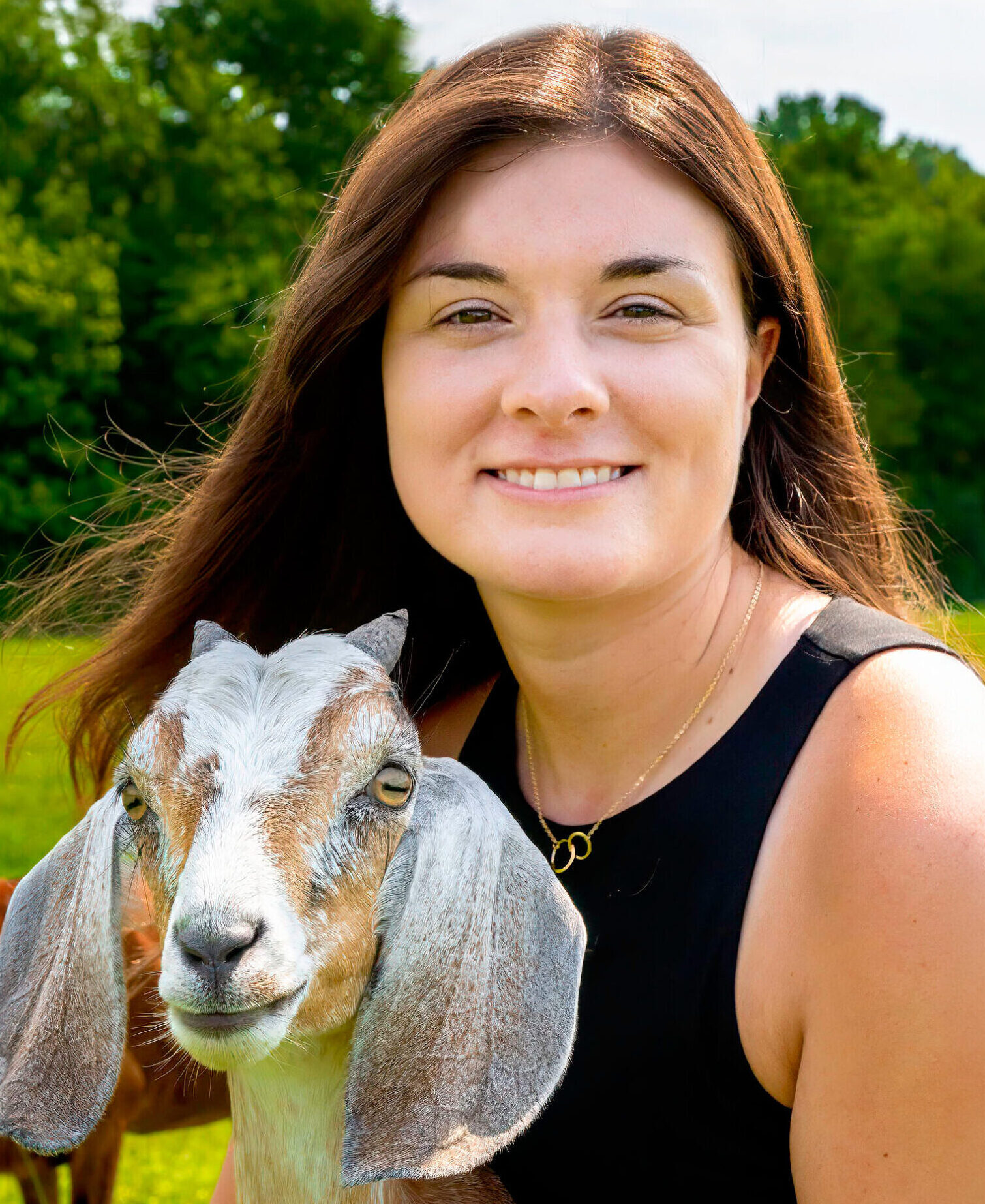
Kaitlyn with goat

Kaitlyn Boughton

Extension Agent I
4-H Youth Development

Contact Us-4H Kaitlyn
First
Request a Meeting

Maximum file size: 25.6MB